
BY GLOWBALL
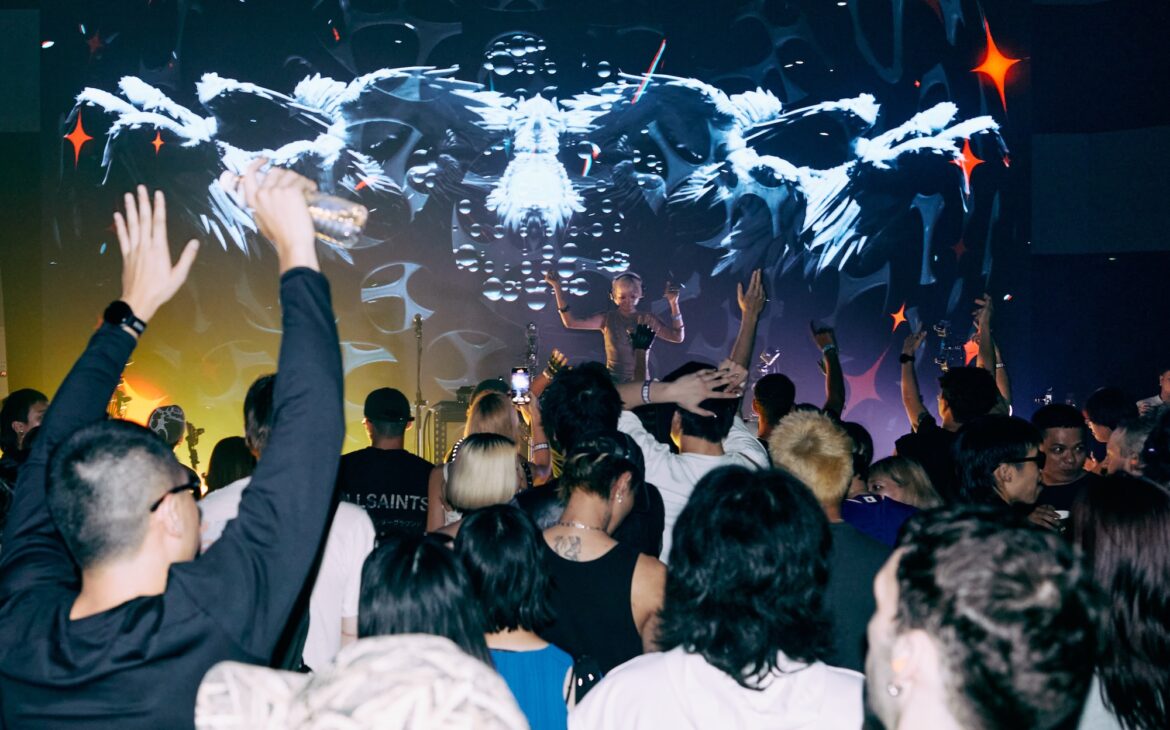
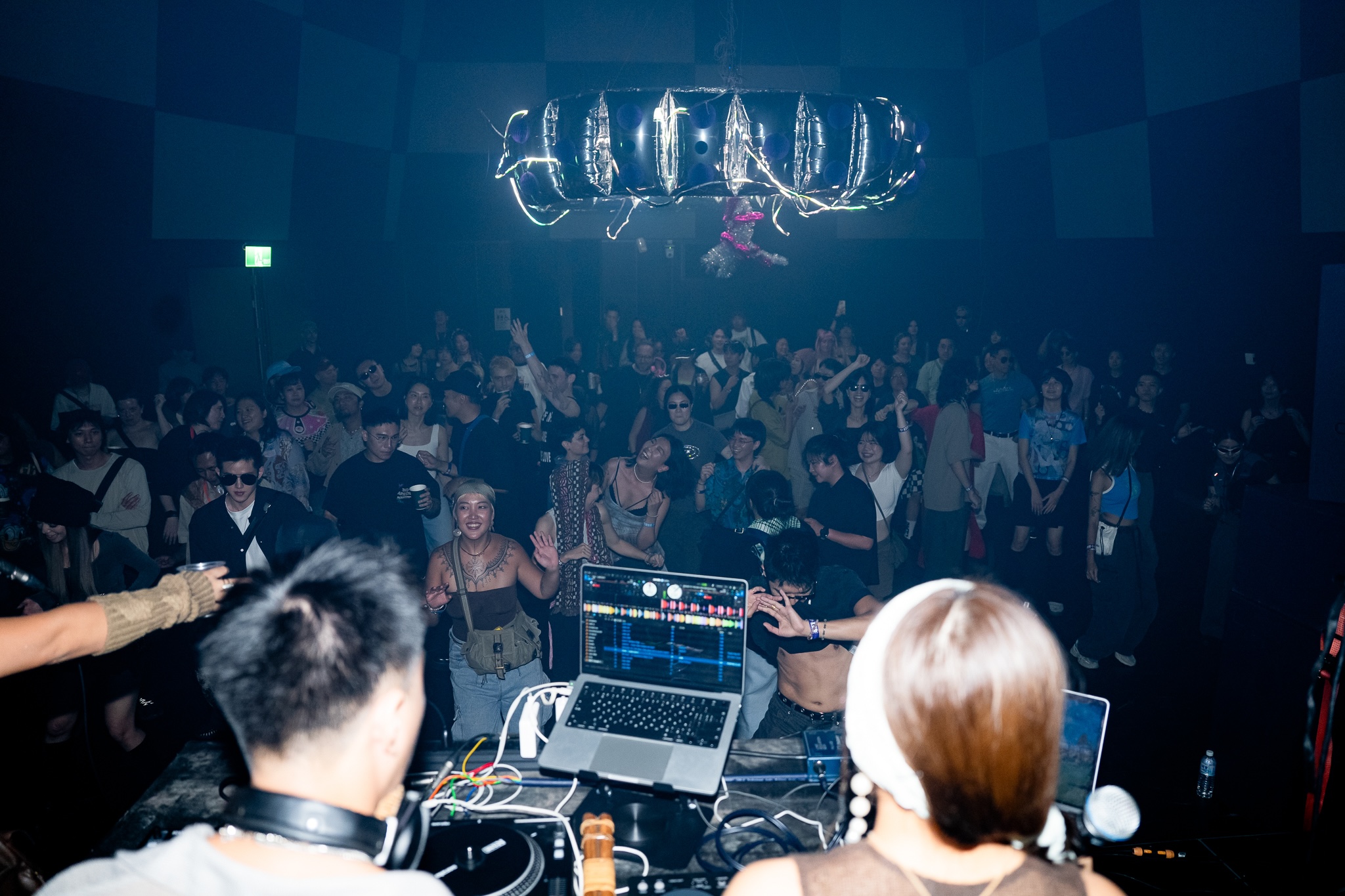
Since launching in 2024, GLOWBALL FESTIVAL has placed electronic music at its core, combining music, visual art, performance, subculture, and international exchange. Over the past three years, GLOWBALL has evolved from a festival rooted in global dance music culture and interdisciplinary creation into a longer-term practice encompassing international curation, artist collaboration, and exchange between cultural scenes.
By 2026, GLOWBALL’s activities had expanded beyond the annual festival itself. In May, the team and participating artists travelled to Lyon, France, to collaborate with and perform at Nuits sonores. In June, GLOWBALL returned to Taipei for its third edition, followed in August by participation in talks, exhibitions, and international industry exchange at TMEX. From Taiwan to Lyon and back to Taipei, this journey across several months gradually outlined GLOWBALL’s evolving role as a platform for electronic music culture.
Rather than repeating the same festival format from year to year, GLOWBALL continuously reconsiders the relationships between electronic music and other creative disciplines, cultural communities, and international networks. Music remains both the central artistic medium and a means through which these connections can be formed.
2024: Building a Foundation for Cross-Disciplinary Encounters through Global Dance Music Culture
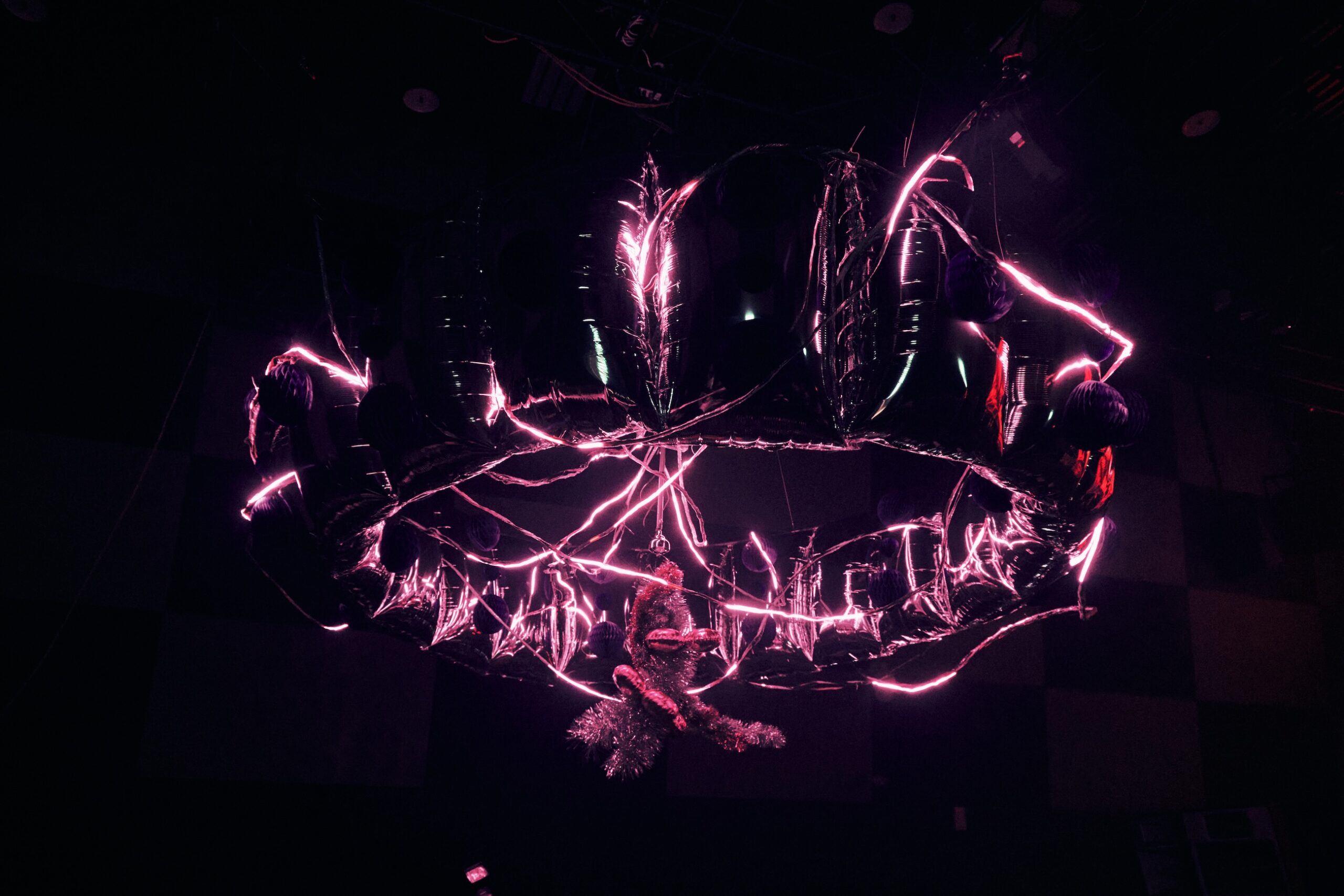
The name GLOWBALL began as a play on the word “global,” combining the luminous imagery of “glow” with the multiple associations of “ball”—a dance, a sphere, and a gathering.
From the outset, GLOWBALL was never confined to a particular genre of electronic music. Instead, it explored how artists and practices from different regions, cultural backgrounds, and creative disciplines could coexist within a shared festival environment. International and Taiwanese musicians, DJs, new media artists, dancers, and performers were brought together under the same event, allowing the festival to become a site where different cultural practices could intersect.
From its first edition, Ballroom culture, Indigenous culture, new media art, A/V live performance, contemporary dance, and electronic music all formed part of GLOWBALL’s landscape. Rather than defining itself through a single musical genre, the festival developed a framework centered on electronic music while allowing different cultures and creative methodologies to exist side by side.
2025: From Coexistence to Collaboration—Developing Cross-Disciplinary Production Methods
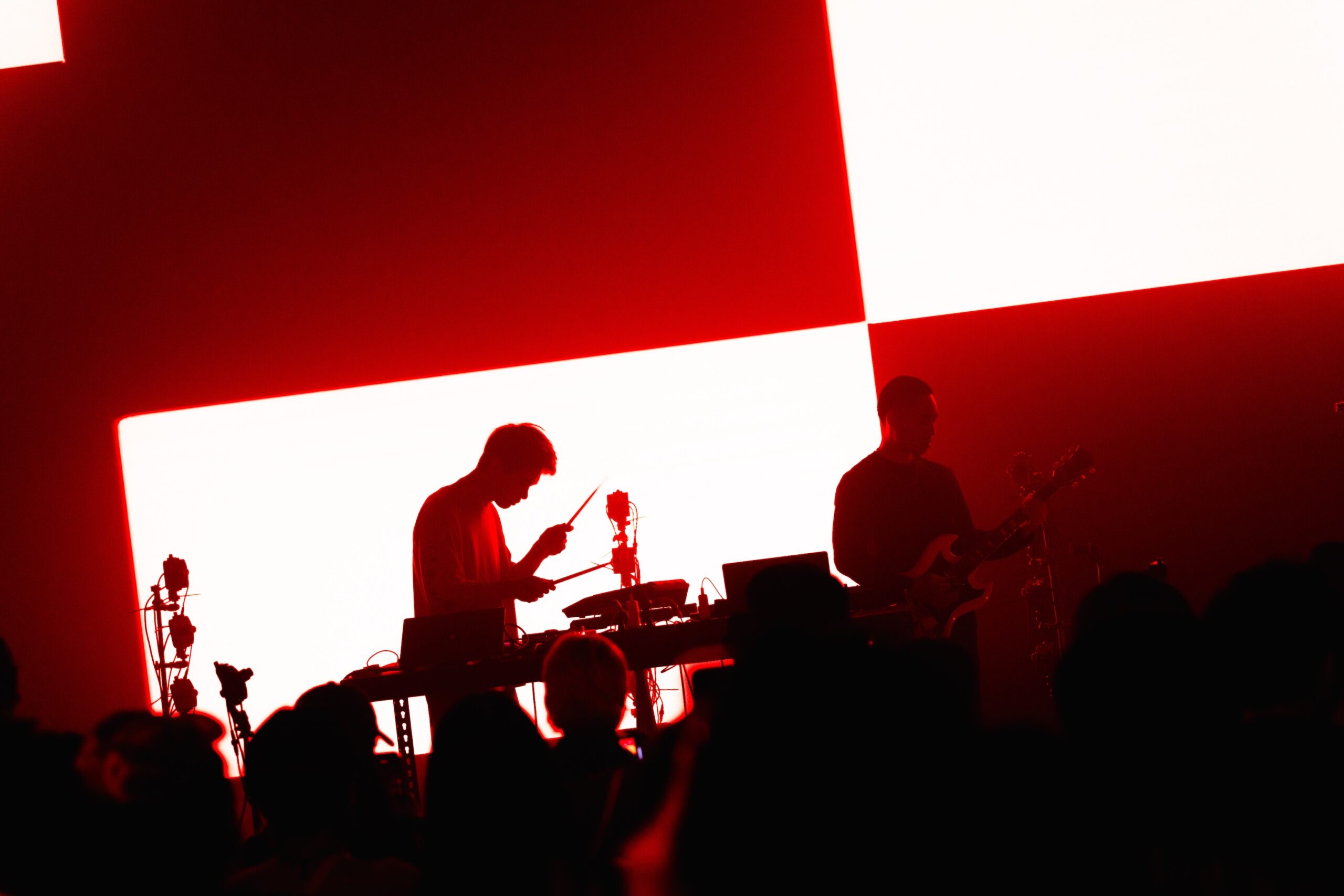
The second edition, based on the theme of “Ping Pong”, placed greater emphasis on collaboration and interaction. Rather than simply bringing diverse acts together under one lineup, GLOWBALL paired them up to create shared performances.
Electronic music was combined with traditional instrumentation, dance, artificial intelligence, motion capture, A/V live performance, and other disciplines. Through the joint production of different sounds, cultures, and artistic practices, interdisciplinary collaboration became an important part of GLOWBALL’s approach.
That year, the festival worked with collectives and communities representing different cities and subcultural scenes, including HE.SHE.THEY., Over My Body, TYO GQOM, and Formosa Sound System. This broadened GLOWBALL’s focus beyond individual performers to include their cultural scenes as part of the programme too.
International electronic music and party communities met local Taiwanese networks around sound system culture, Ballroom, drag, and queer culture, creating opportunities for both coexistence and exchange within the festival. GLOWBALL thus began moving beyond conventional festival programming centered on booking individual artists, developing instead into a platform connecting different cultural scenes.
2026: Building Two-Way International Exchange and Long-Term Networks
The third edition built upon the previous year’s collaborations with different scenes and collectives, while expanding these relationships into longer-term exchanges across cities and national borders.
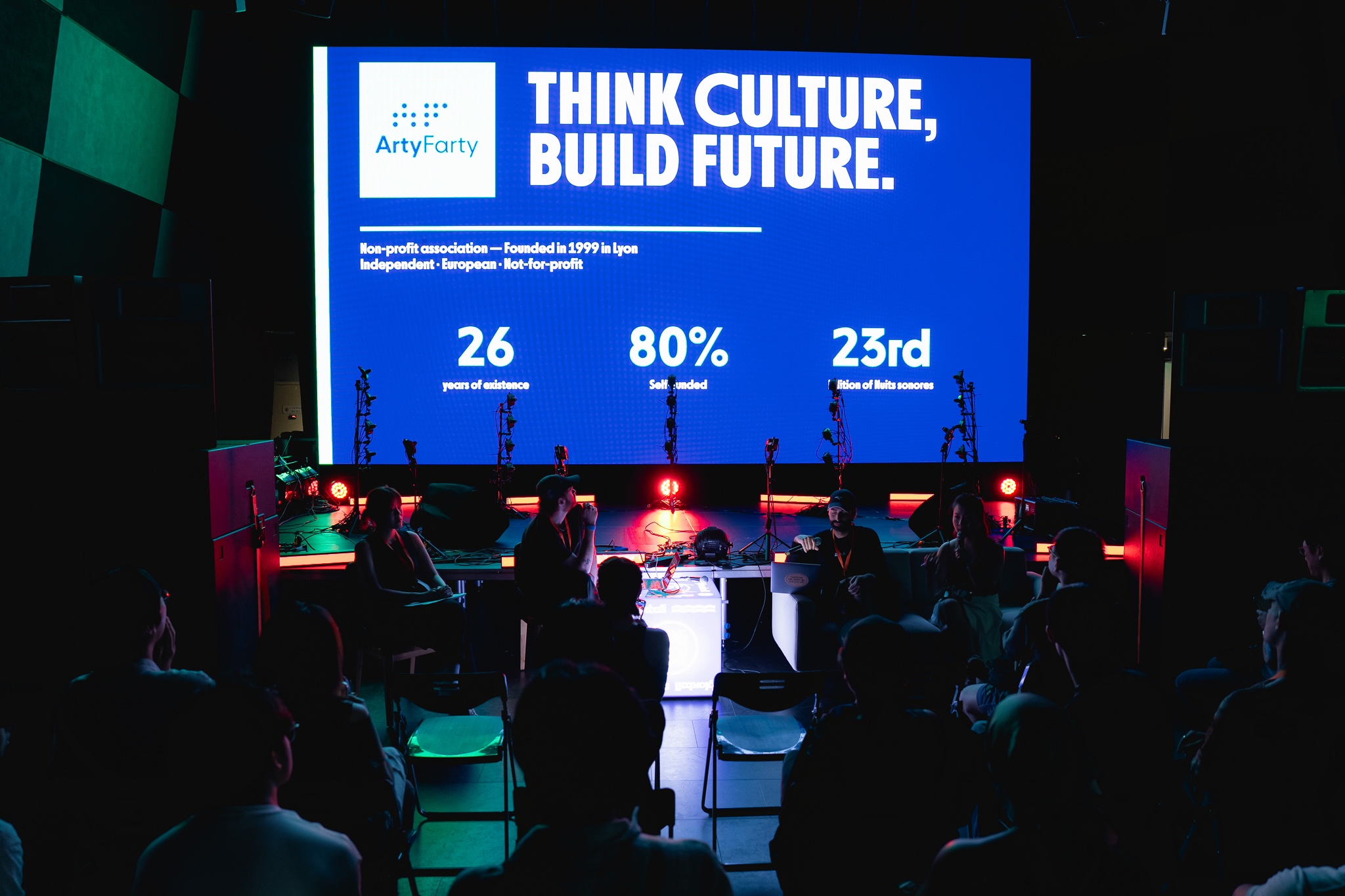
The collaboration with Lyon-based Nuits sonores began in May, when GLOWBALL travelled to Lyon to curate performances and exchange programmes. It continued in June, when Nuits sonores Artistic Director Pierre Zeimet travelled to Taiwan to participate in the festival and a public conversation, creating a genuinely two-way curatorial relationship.
At the same time, GLOWBALL continued to develop programmes in collaboration with different cultural scenes. Formosa Sound System once again created an independent sonic environment rooted in sound system culture. Taiwanese-Japanese art collective TOTEI brought together party culture and new media art through exhibitions, VJ performances, and late-night programming. Communities including isaNight, Ballroom, and drag performers also continued to take part, bringing local and international artists and audiences together on the same platform.
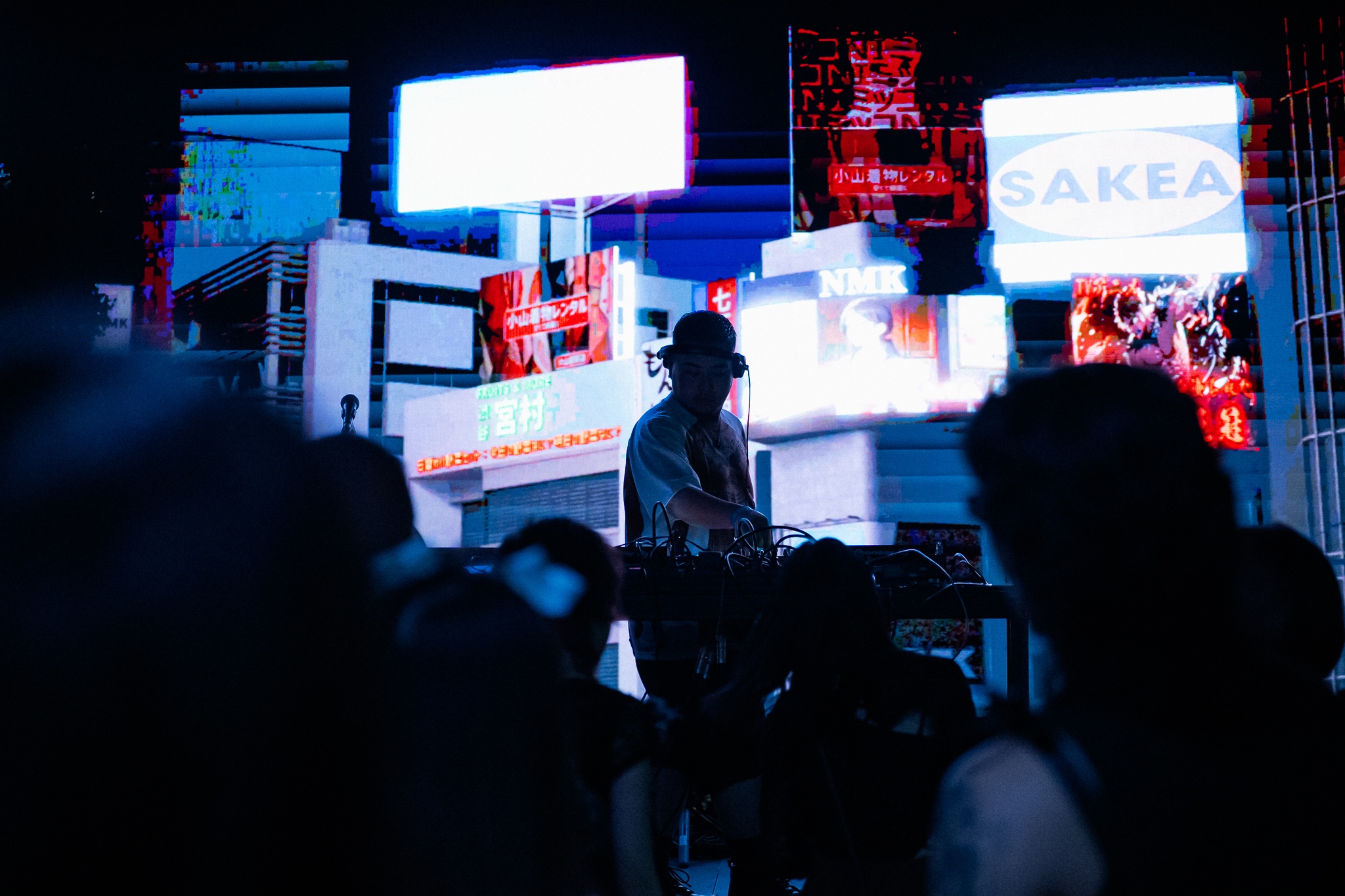
Compared with the stage-based and scene-based collaborations of the previous year, partnerships in 2026 began to expand into co-curation, artist exchange, exhibition production, and knowledge sharing.
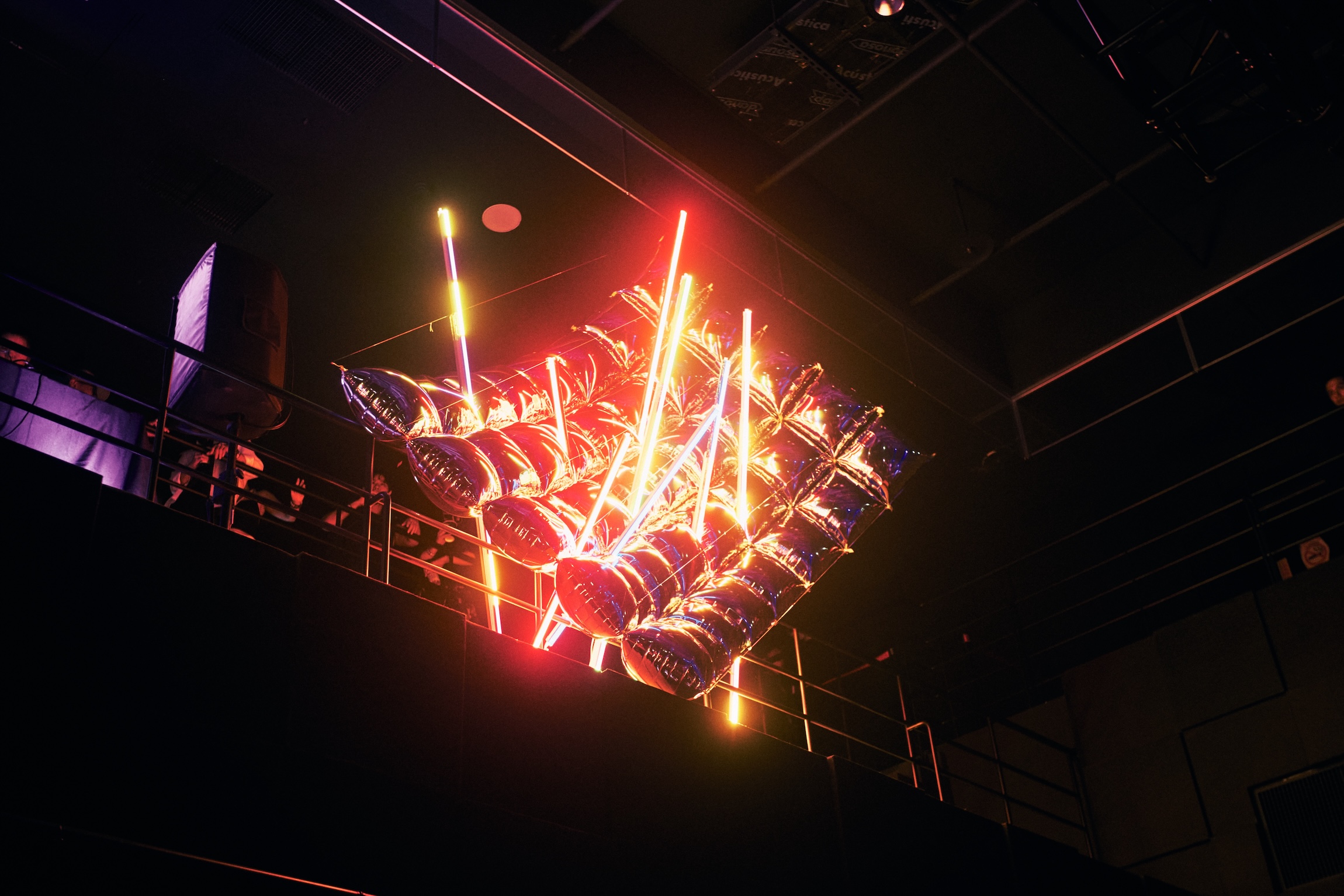
Internationalization, in this sense, is no longer simply about increasing the number of overseas artists on the line-up. It is a process of gradually building sustained working relationships between different cities, cultural organizations, and creative communities.
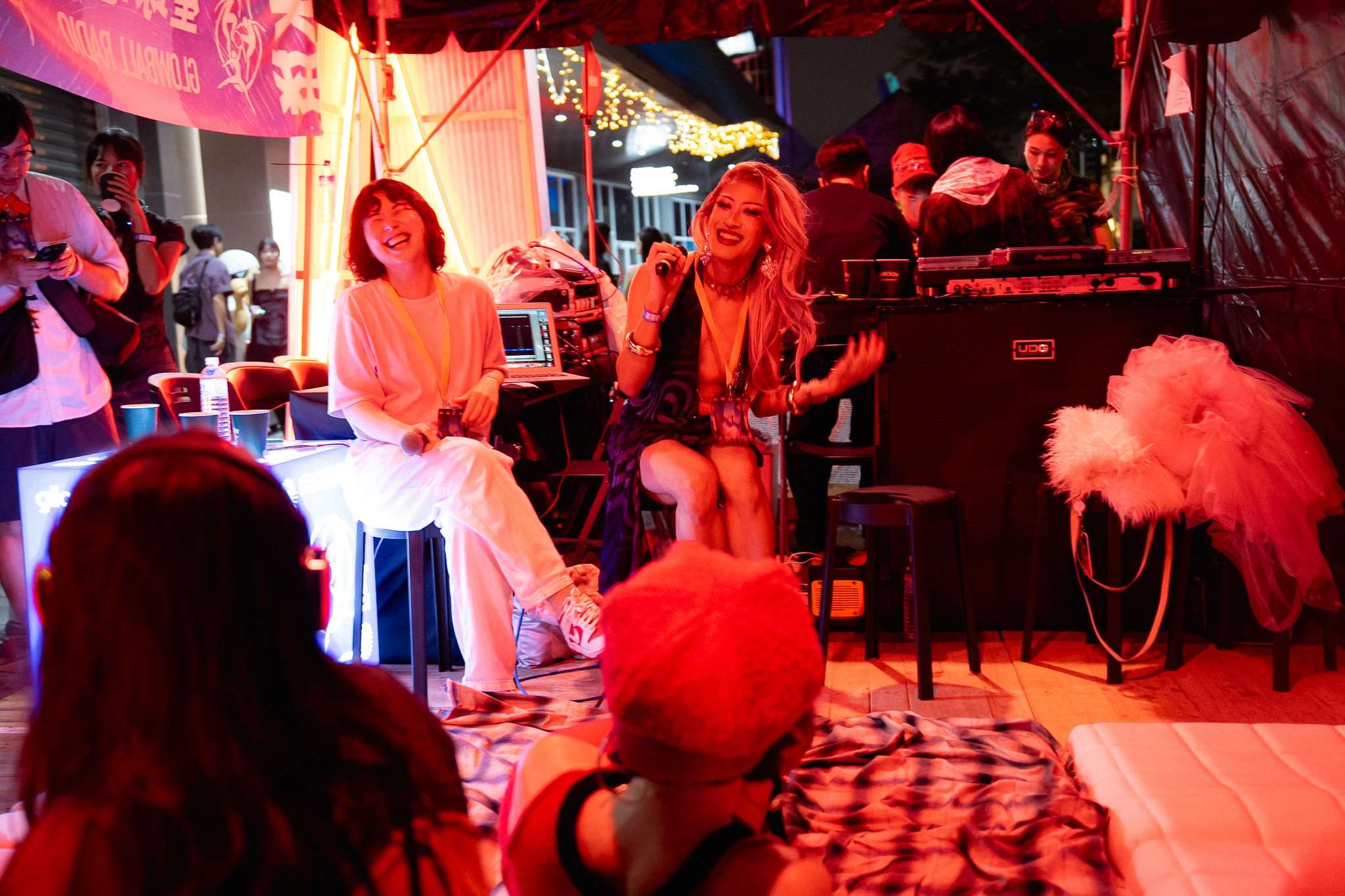
From Lyon in May and Taipei in June to continued industry and curatorial exchanges at TMEX in August, GLOWBALL has gradually evolved from an annual music festival into a platform connecting Taiwanese creators, Asian cultural scenes, and international cultural networks.
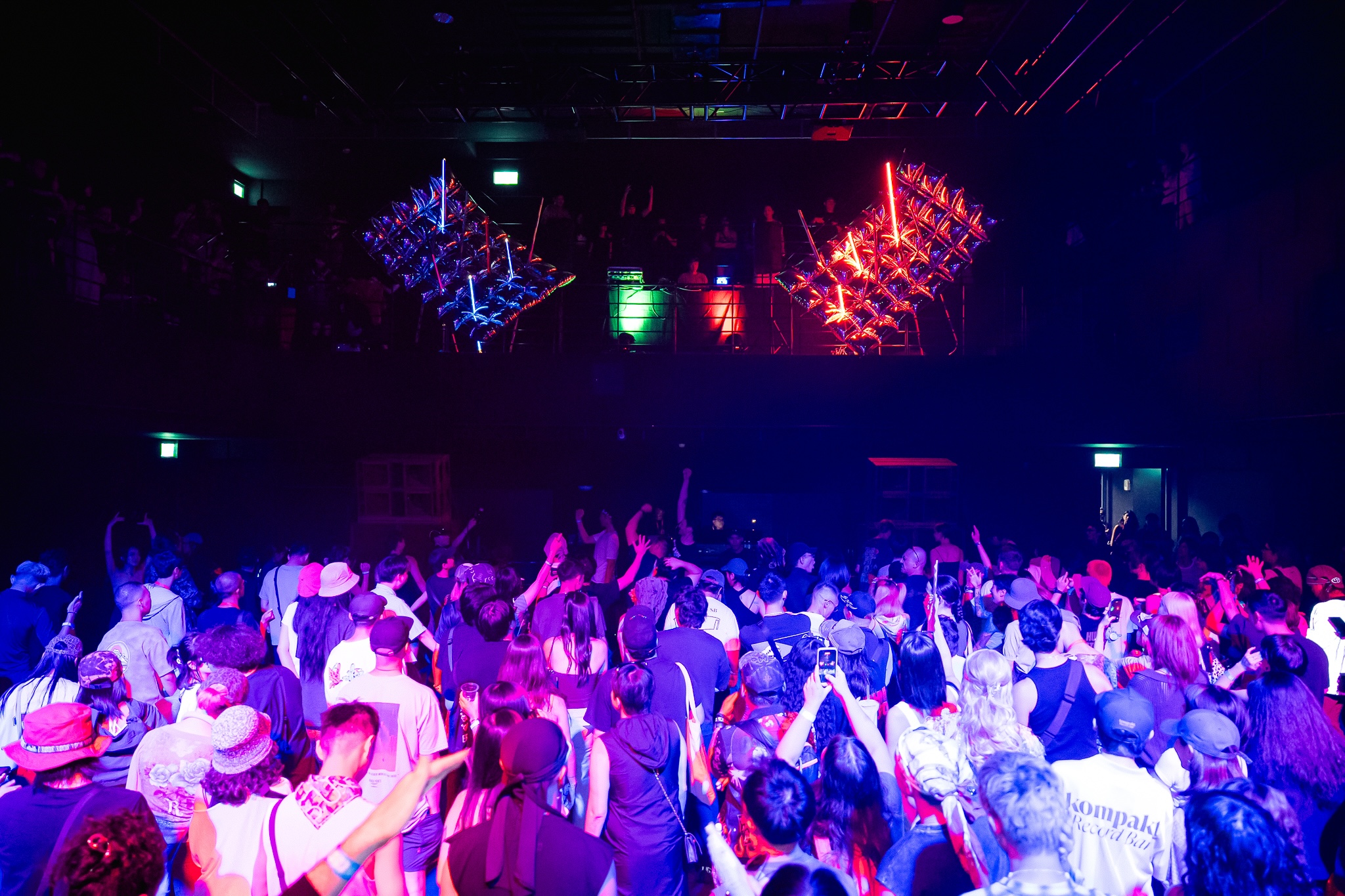
Electronic Music as a Meeting Point for Different Cultural Scenes
Global club, bass music, gqom, house, techno, experimental electronics, live music, traditional instrumentation, and various forms of cross-genre creation have all appeared throughout different editions of GLOWBALL.
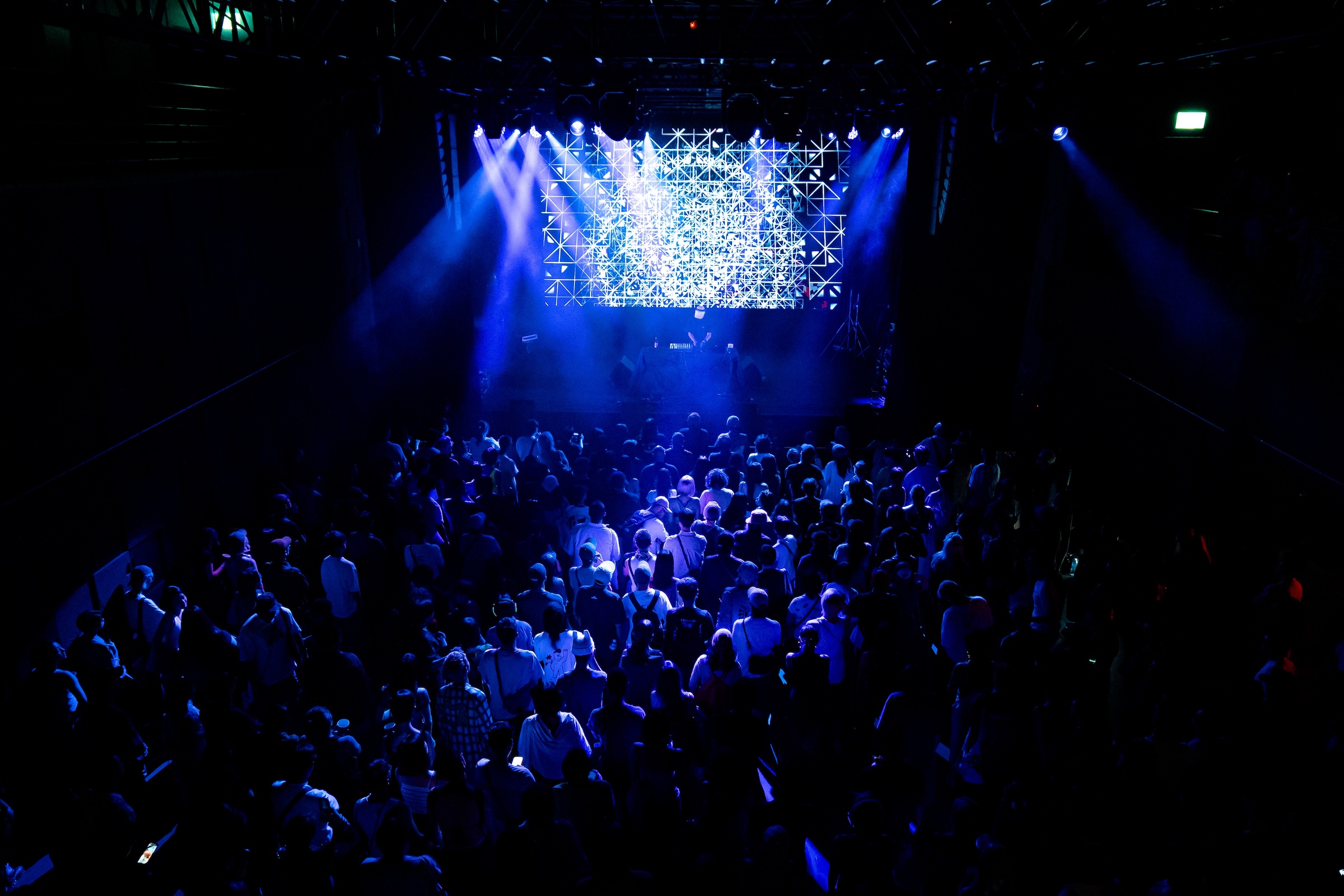
Rather than using genre as the festival’s primary organizing principle, GLOWBALL approaches electronic music as a cultural interface — a space through which different creative communities can encounter one another and form new relationships.
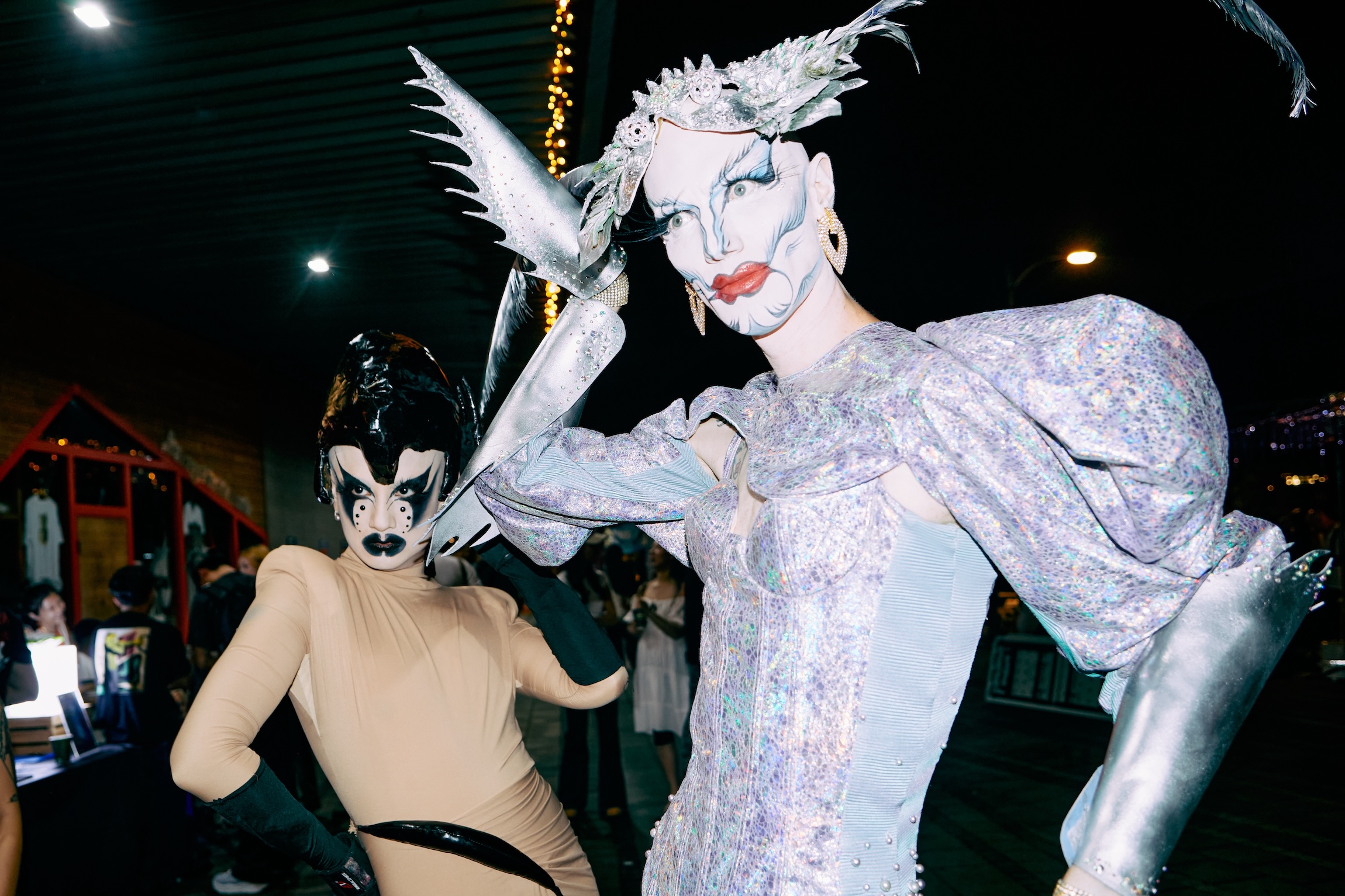
DJs and dancers, musicians and new media artists, Ballroom and drag communities, Taiwanese creators and international curators each operate within their own professional networks and cultural contexts. A festival can create a shared time and space in which these otherwise separate networks begin to overlap.
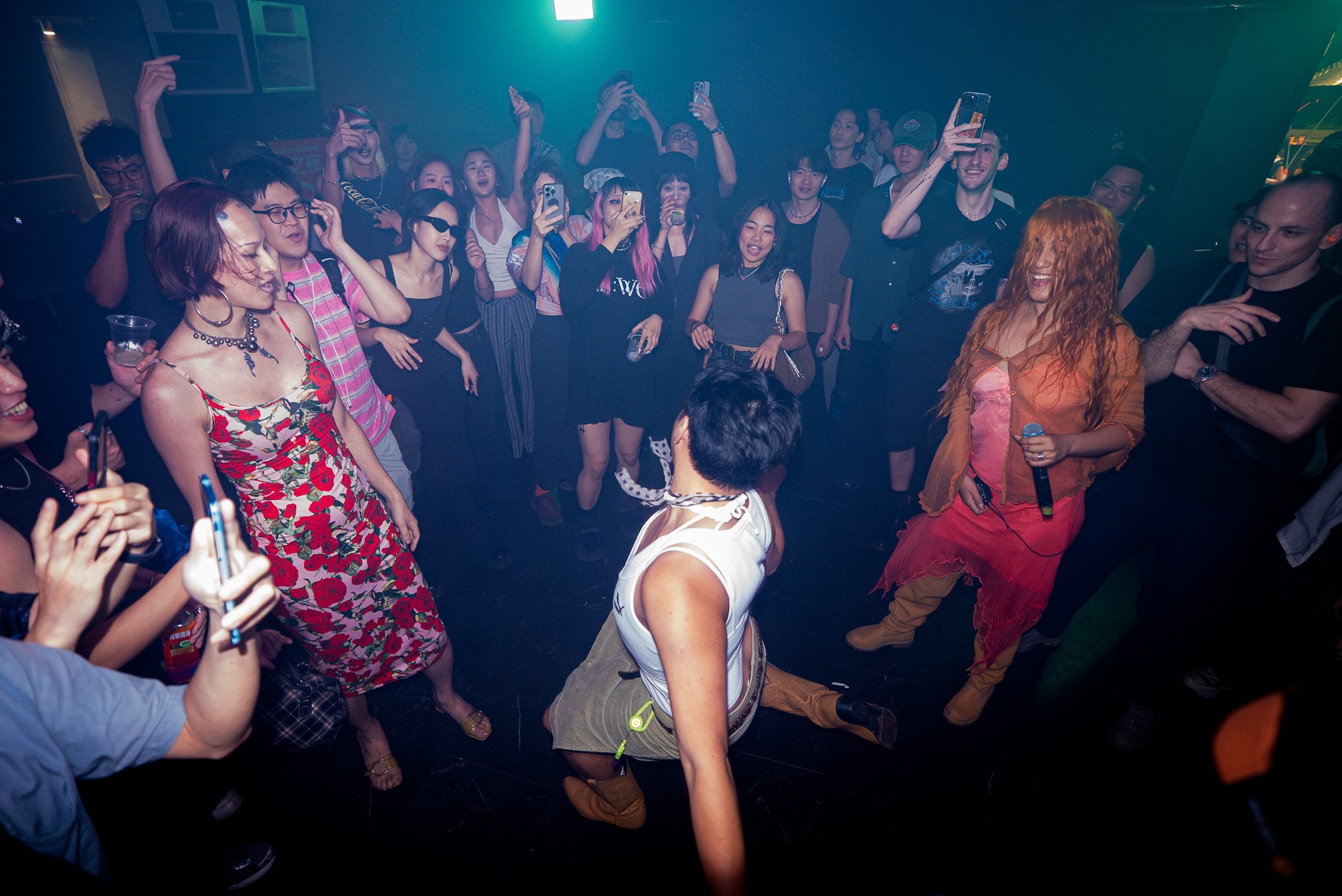
From Producing Programs to Building Cultural Networks
Taiwan has active communities across independent music, new media art, DJ and VJ culture, dance, performance, and a wide range of subcultures. New creators and cultural practices continue to emerge.
Yet different disciplines often have their own languages, audiences, and professional networks. Cross-disciplinary collaboration—as well as longer-term exchange with other Asian cities and European cultural scenes—requires time and sustained commitment.
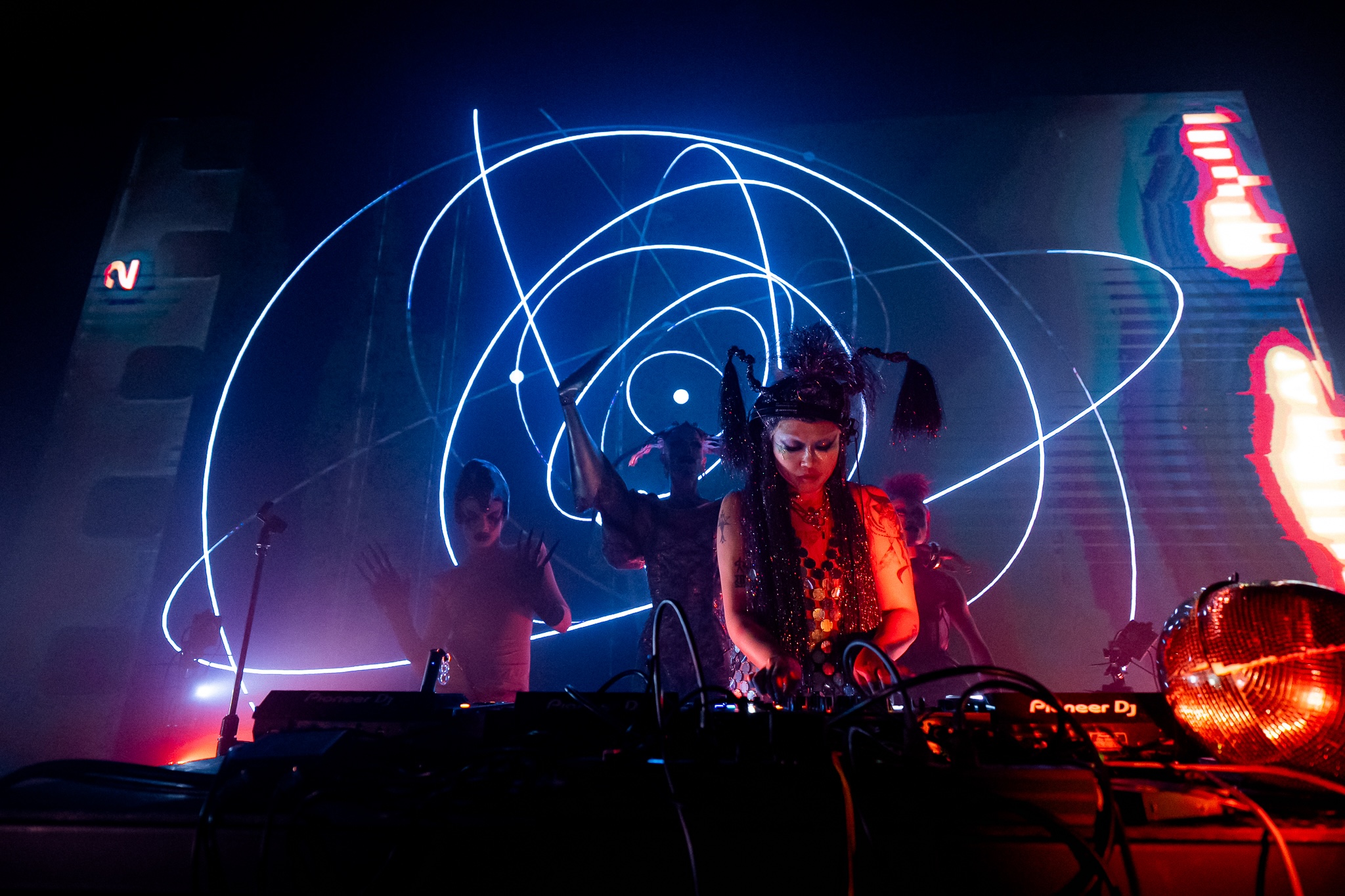
Over the past three years, GLOWBALL has therefore gradually placed greater emphasis not only on programming, but also on building relationships: connecting different music and art scenes, maintaining exchanges with international festivals and curatorial organizations, facilitating interdisciplinary co-production, and creating opportunities for creators from different cultural networks to meet and collaborate.
These efforts are not intended to represent Taiwan’s electronic music culture as a whole, and GLOWBALL itself remains in an ongoing process of exploration and learning.
Rather, the festival hopes to serve as one small but sustainable node within a much larger cultural network — continuously creating possibilities for exchange between artists, communities, and international networks within the scope of what it can realistically contribute.
Looking Ahead
GLOWBALL is currently preparing and exploring the next stage of its development. Moving forward, it will continue to take electronic music as a point of departure while expanding collaborations with different artistic disciplines, cultural communities, and international partners.
These directions are still taking shape, and GLOWBALL looks forward to continuing to develop new possibilities for exchange and collaboration with like-minded artists, curators, media, and partner organizations.
Watch the after-movie below:
This post is supported by The Rest Is Noise PH.